
Valor Mortis is first-person only: how the camera changes parries, dodges and reading enemy tells, and why the studio chose that view.
Valor Mortis First Person Soulslike Combat: How It Plays
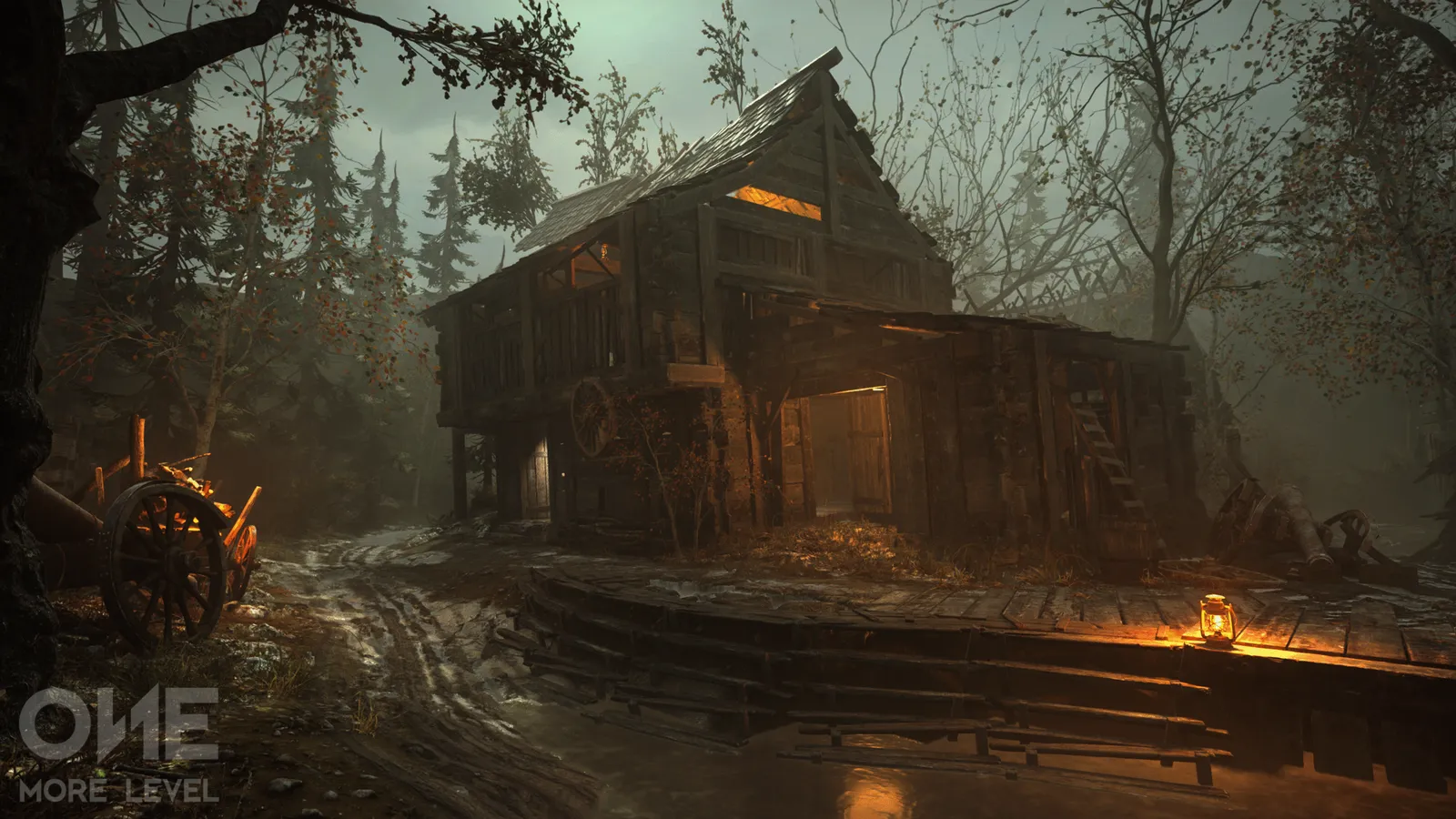
Valor Mortis is first-person only, and the camera is not cosmetic. You cannot see behind or beside William, so parries are read from the animation directly in front of you, dodges are aimed rather than steered, and the pistol becomes an aimed weak-point tool. Fights feel tighter, slower and more claustrophobic than a shooter's.
- No third-person orbit. Anything outside the center of the screen is effectively invisible.
- Parry timing is visual. The enemy's wind-up is the cue, not a lock-on marker.
- Guns are aimed tools. Weak points reward a raised pistol, but ammunition stays scarce.
- Crowds punish you. Two enemies at different angles is a genuine problem.
What the First-Person Camera Actually Changes
Third-person soulslikes give you a bubble of awareness around your character. You can see the soldier circling on your left, the archer drawing behind you, the ledge you are about to roll off. Valor Mortis removes that bubble almost entirely. Game Informer's hands-on preview described the practical result plainly: you cannot scan what is around you to plan a dodge or find a safe place to heal, so all you have is what is right in front of you.
The camera is not a presentation choice bolted onto familiar systems: it changes how much information you have before every decision. GamesRadar's review put the upside as "a brutal you-are-there immediacy that a traditional third-person camera could only dream of." The cost is spatial. Stepping into a room means turning your head, and turning your head means taking your eyes off the enemy already swinging.
The view also raises the stakes on every commitment. Game Informer noted that swinging at the enemy in front of your face means that same enemy can counter immediately. In third person you often watch your character's recovery animation from outside; here you are inside it.
How Parrying Feels Without a Third-Person View
Parrying still works the way the genre trained you: time the defense, damage the enemy's posture, break the guard, take the riposte. What changes is the read. Without a character model between you and the attack, the tell is the weapon itself — the shoulder drop, the raised blade, the pause before an overhead. Eurogamer's review found the parry window generous enough that the rapier became the reviewer's main weapon, despite its inability to block. Wccftech reached the same conclusion from the other direction: the timing is finely attuned, and attacks are reasonably easy to parry using visual cues alone.
| Defensive option | What it costs | What it gives you |
|---|---|---|
| Block | Endurance | Limits damage, and an immediate follow-up restores health you just lost |
| Parry | Endurance plus timing risk | Posture damage, then a posture break into a riposte |
| Perfect dodge | Endurance | A short slow-motion window after a clean sidestep |
| Backstab | Positioning | A heavy opening hit, but only if you reach the enemy's back unseen |
| Pistol weak-point shot | One scarce bullet | Broken defenses and significant damage on a glowing pustule |
A few first-person adjustments matter more than raw reflexes. Unblockable attacks must be dodged, not parried, so learn to read the difference before you start trading. Defensive actions drain Endurance, and panic-dodging twice leaves nothing for the third swing. Because you cannot see behind you, backing away is far riskier than sidestepping; a wall at your back is worth more than a few extra meters of space. The full parry, posture and stamina loop is broken down in the combat, parry and posture guide.
Aiming Down Sights: Guns as Weak-Point Tools
The pistol is where first person pays off most obviously. Game Informer's preview described raising the pistol to aim down sights at enemy weak points, which gives the combat a brief first-person-shooter feel without turning it into one. Eurogamer's review adds the detail that matters: the targets are glowing Red Plague pustules, and their locations are randomized on every respawn, so you cannot memorize a single spot and autopilot the shot. Headshots work, but popping a pustule breaks defenses and deals far more.
Ammunition is deliberately tight. The game director warned Game Informer not to treat any part of Valor Mortis like an FPS, and the preview confirmed bullets are highly limited. In practice the gun is an opener and an interrupt: fire a weak-point shot as you close, then switch to the blade before the reload punishes you. Eurogamer describes free-aiming without slowing your momentum, which is why the run-and-gun rhythm works at all. Treat the firearm as a tool for the first three seconds of a fight and the sword as the fight itself. For the full weapon lineup, see the weapons and builds guide.
Raise the pistol while the enemy is still walking toward you, not after you have already started a swing. The weak point is randomized, so give your eyes a second to find the glow before the melee starts.
Why One More Level Chose First Person
This was not an accident of genre. In the announcement press release, One More Level CEO Szymon Bryla explained the thinking: after Ghostrunner, the studio had the foundation for a first-person title and wanted to apply it to a soulslike. Game director Radoslaw Ratusznik gave Game Informer a second reason alongside studio comfort — the slower soulslike pace lets players actually look at the environments the art team built, which Ghostrunner's speed never allowed.
The studio later published a dedicated behind-the-scenes piece on the perspective, which is the most direct explanation available.
Official source: Valor Mortis: The Story Behind First-Person Perspective covers the reasoning from the game director and the development team.
The store listing frames the same decision commercially, calling the game a first-person action soulslike from the creators of Ghostrunner.
Official source: Valor Mortis on Steam lists the game as a first-person action soulslike.
Where the Camera Works Against You
The honest answer is that first person is not free. Wccftech's review, which scored the game 7.5, argues the view holds up well in the wide opening areas and then suffers once the level design narrows. Around five hours in, at the mines, encounters move into tight pathways where the reviewer repeatedly dodged into corners and died. Ground hazards are harder to spot from eye level, and fighting a wide-swinging greatsword enemy at the mouth of a cave becomes a patience test rather than a duel. The same review notes a separate control problem: crouching and interacting share a button, so you can crouch instead of grappling at the worst possible moment.
That criticism is specific and worth taking seriously, but it is not unanimous. Eurogamer called the game a delight and praised the fluidity of its first-person swordplay, and GamesRadar found the camera an asset in the boss fights even while it criticized the scripted parkour. The pattern is consistent: first person rewards open arenas and readable one-on-one duels, and punishes corridors, ledges and anything you have to see without looking at it. If that trade-off is the part that worries you, the difficulty page covers what the game does and does not let you tune.
When a fight moves into a tunnel or a doorway, back out into open ground before committing. Fighting with your shoulders against a wall removes the only advantage the camera gives you: room to sidestep.
Settings and Habits That Make First Person Read Better
The launch menu exposes the options that matter here. Field of View is the big one: a capture of the menu uses 85 as a reference value, and pushing it higher widens your peripheral awareness at the cost of a slightly fish-eyed image. Camera Shake is a comfort setting, and Blur can be switched off if motion blur is smearing the wind-up animations you need to read. These are preferences, not fixes, but a stable, readable frame beats a prettier one in a game built on tells.
Two other settings deserve attention. The game warns against using frame generation below 40 FPS because low baseline performance causes latency and artifacts, which is exactly the wrong trade in a parry game; tune without it first. And if the picture stutters, turn ray tracing off before gutting everything else — Wccftech found the stutter persisted with ray tracing enabled and largely cleared without it.
Habits matter as much as sliders:
- Fight with your back to open space, not to a wall or a ledge.
- Sidestep rather than backstep when you lose track of an enemy.
- Deal with ranged enemies first; you cannot see their shots coming from off-screen.
- Re-check the weak point after every respawn, because its position changes.
- Use audio as a second camera for anything outside the frame.
New players working through the opening hours should read the nine beginner tips before pushing into the first real difficulty wall, and anyone still learning the defensive loop can practice it against the demo's showcase fight in the General Lothaire boss guide.
First Person Versus Third Person at a Glance
| What you gain | What you lose |
|---|---|
| Immediate, close-range read of every wind-up | Peripheral vision; enemies beside or behind you |
| Aimed weak-point shots with a real pistol | The ability to steer a dodge by watching your body |
| Stronger sense of place in open arenas | Comfort in corridors, ledges and ground hazards |
| Tension on every swing commitment | The option to disengage by backing off-screen |
For the wider question of how the game sits in the genre, the soulslike, open world and multiplayer explainer covers the structure around the camera.
FAQ
Is Valor Mortis first person only?
Yes. The game is built and sold as a first-person experience, and none of the launch coverage describes a third-person camera. The whole combat system, from parry reads to pistol weak points, is designed around that view.
Can I switch to third person in the settings?
No option for that has been documented. The settings that affect the view are Field of View, Camera Shake and Blur, not the camera mode itself.
Why does the game feel harder than other soulslikes?
Partly because you have less information. You cannot see the enemy beside you or the hazard behind you, so crowd fights and narrow spaces punish mistakes that a third-person camera would have let you avoid.
Do I have to aim down sights to hit weak points?
Aiming makes the glowing pustules much easier to hit, and their positions are randomized on every respawn, so it is worth the extra beat. Free-aiming while moving is possible, but the shot is less reliable.
Is parrying harder in first person?
Most reviewers found the opposite. Wccftech called the parry window finely attuned and easy to read from visual cues, and Eurogamer called it generous. The difficulty is positioning and awareness, not the parry timing itself.
Related Guides
- Valor Mortis Combat: Parry, Posture and Lanterns — the full defensive loop behind the camera discussion.
- Valor Mortis Weapons and Builds — which blades and guns suit a first-person playstyle.
- Valor Mortis Beginner Tips: 9 Things to Know First — the habits that stop early deaths.
- Is Valor Mortis Too Hard? Difficulty Options and Tips — what you can and cannot tune.
- Is Valor Mortis a Souls Like, Open World or Multiplayer? — genre and structure in one page.
More Valor Mortis Guides
Is Valor Mortis crossplay? No, it is single-player only, so there is no co-op, PvP or cross-save between PS5, Xbox and PC.
Valor Mortis demo bosses: General Lothaire the Eagle-Bearer fight guide with phases and punish windows.
Valor Mortis demo guide: Steam Next Fest download, what's inside, bosses, length and progress carry-over.
Valor Mortis developer One More Level (Ghostrunner), publisher, delay history and DLC plans.
Is Valor Mortis too hard? No difficulty options at launch, mini-boss tips and how to level past walls.
Valor Mortis FAQ: trial, Game Pass, difficulty, length, bosses and spelling answers in one page.
The Valor Mortis awards run so far: the Golden Trailer Awards nomination for the reveal trailer, Gamescom 2026 showings and GOTY chances.
How long is Valor Mortis? About 20 hours per devs, demo length and what affects your playtime.